
Routine dental exams do much more than check for cavities or clean your teeth—they play a vital role in detecting early signs of serious conditions, including oral cancer. Dentists are often the first healthcare providers to notice subtle changes in your mouth that might indicate a problem. With early detection, treatment becomes more effective and outcomes improve significantly.
How Dentists Detect Early Signs of Oral Cancer
Here’s how a Raleigh dentist helps keep more than just your smile safe.
The Importance of Regular Dental Visits
Routine dental visits are essential not only for maintaining healthy teeth and gums but also for monitoring your overall oral health. Dentists recommend checkups every six months, during which they perform a full-mouth evaluation. These visits give your dentist the opportunity to catch early warning signs of oral cancer before symptoms become more obvious or serious.
Since many people don’t notice the early signs on their own, seeing a dentist regularly makes a big difference in early detection and timely treatment.
Visual Inspection of the Mouth and Surrounding Areas
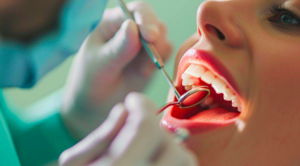
During your exam, your dentist carefully examines your mouth, lips, cheeks, gums, tongue, and the roof and floor of your mouth. They look for red or white patches, ulcers that don’t heal, lumps, thickened tissues, or any other unusual changes. These small visual cues might seem harmless but can be early indicators of precancerous or cancerous conditions.
Dentists also check the back of your throat and examine the tonsil area and inside of the cheeks, where early signs often appear.
Manual Palpation for Hidden Lumps
In addition to looking inside your mouth, your dentist will use their hands to feel around your jaw, neck, and under your chin. This is called manual palpation, and it helps detect lumps or swollen lymph nodes that aren’t visible but might signal an issue.
This step is quick, painless, and incredibly useful in uncovering abnormalities that might otherwise go unnoticed.
Using Technology for Enhanced Screening
Many dental offices now use specialized tools to help detect suspicious areas more effectively. Devices such as VELscope or oral cancer screening lights highlight abnormal tissue using specific wavelengths of light. These technologies can reveal issues that may not yet be visible to the naked eye.
Although not every dentist uses these tools, many do incorporate them into routine exams, especially if a patient is at higher risk due to factors like tobacco use, alcohol consumption, or a family history of cancer.
Educating Patients on Symptoms and Risk Factors
Dentists also take time to educate their patients about the warning signs of oral cancer and known risk factors. They may ask about changes in your voice, pain while swallowing, or persistent sores. This conversation helps raise awareness and encourages you to report changes early.
Conclusion: How Dentists Detect Early Signs of Oral Cancer
Routine dental exams are one of the most effective ways to catch oral cancer in its earliest stages. Through a combination of visual inspection, manual checks, and advanced screening tools, dentists play a key role in protecting your health. So, the next time you sit in that dental chair, remember—it’s not just about clean teeth. It’s also about peace of mind and possibly saving your life through early detection.

Recent Comments